

What Are the Most Common Roofing Scams Facing Residents?
The most frequent roofing scams encountered by local homeowners often target those after severe weather or aging homes. In Saratoga Springs, unscrupulous individuals may show up unannounced, claim to spot roof damage, and push for unnecessary repairs or full replacements on the spot. Some of the most recognizable local scams include:
- "Storm chaser" scammers who appear promptly after hail or wind events, warning of hidden but urgent damage.
- High-pressure sales tactics demanding immediate payment or large deposits before work.
- Bids that are suspiciously low to win a contract, followed by increased costs or poor-quality work.
- Offers for "free inspections" that suddenly discover extensive—often exaggerated or fabricated—damage.
- Contractors requesting payment in full up front, then disappearing or stalling on the job.
- Unmarked vehicles and temporary crews who cannot provide documentation, proof of insurance, or a business address.
Homeowners in the community, particularly after storms or in older neighborhoods, are at higher risk of encountering these situations.
How Can You Verify a Roofing Contractor’s Credibility?
Ask for detailed proof of credibility even if a roofer appears polite or offers local references. Take these clear steps before allowing anyone on your roof:
- Request a copy of their insurance certificate and verify coverage dates.
- Ask to see their local license if required by municipal regulations.
- Request references from previous projects within the area, ideally from the past year.
- Search for their business information on county and New York State databases; confirm a permanent address and an established operating history.
- Avoid working with anyone who hesitates to provide identification or written estimates.
A trustworthy roofing professional will not pressure you for same-day commitments, and will provide documentation without reluctance.
Why Are Weather-Related Scams More Common Locally?
Severe storms in Saratoga Springs, especially heavy winds, hail, and rapid freeze-thaw cycles, often bring a spike in roofing scam activity. Some scammers track local weather alerts and flock to neighborhoods with visible damage, targeting emotionally charged homeowners worried about further leaks or structural issues.
For example, after a late winter storm, residents may be approached by out-of-area crews offering immediate fixes before insurance companies respond. Scammers may even claim they are "working on your neighbor's roof" and pressure you into similar unnecessary work.
Understanding that most reputable contractors have a waitlist after storms can help you recognize when someone is capitalizing on the urgency of the situation.
What Are Signs You Might Be Dealing With a Scam?
A few warning signs stand out:
- Requests for large cash payments or total payment up front.
- Refusal to provide a written estimate or clear contract.
- Lack of vehicle branding, uniforms, or local licensing information.
- Offers that feel too good to be true, such as steep discounts for “leftover materials.”
- Aggressive timelines that discourage getting additional quotes or involving insurance.
If you sense reluctance from a contractor to answer questions or if their answers are inconsistent, that’s another sign to pause the conversation.
How Should You Respond If Pressured for Quick Decisions?
If anyone insists that you make a fast choice—especially before you have had a chance to research—simply explain that you always need time to review major expenses. Declining immediately and taking a step back is usually enough to discourage high-pressure scammers. Consider these phrases:
- “I need a day or two to think it over and get another opinion.”
- “Please leave all details in writing, and I’ll review and follow up.”
Never feel obligated to sign paperwork or hand over payment on the spot, no matter how urgent the salesperson makes the problem sound.
Can Insurance Companies Help Protect Against Roofing Scams?
Your insurance provider’s involvement offers a layer of protection from fraud. Local policies often cover roof repairs for storm damage, but only after an approved adjuster’s inspection.
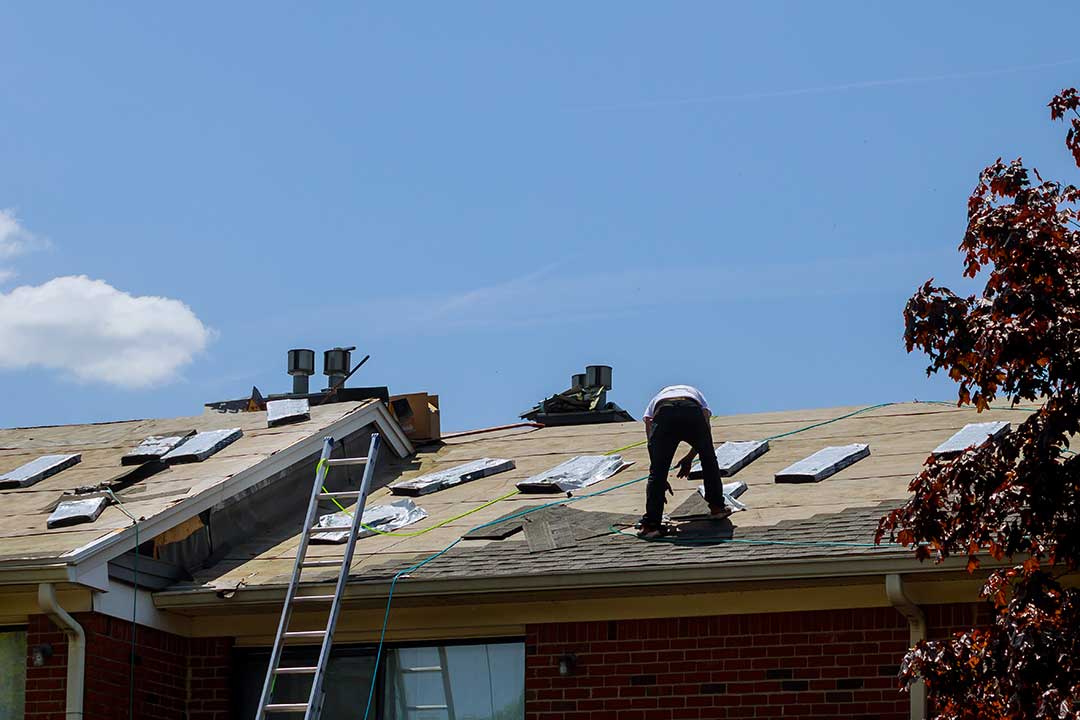
Be cautious of anyone offering to “work with your insurance” on your behalf, or those who ask you to inflate or fabricate a claim. Coordinating directly with your insurance provider helps prevent fraudulent contractors from complicating or delaying your coverage process.
Are Written Estimates and Contracts Necessary?
Always insist on a written estimate and a detailed contract that clearly explains:
- The full scope of work, including materials, timeline, and total cost.
- Payment schedule, specifying what is due when and under what conditions.
- Warranty terms and how to request follow-up service.
This documentation becomes especially important if a dispute arises, protecting you legally and clarifying expectations.
What Misconceptions Make Residents Vulnerable to Scams?
Common misunderstandings can leave area households exposed to fraud, such as believing:
- “If someone is working in the neighborhood, they must be legitimate.”
- “A confident, personable contractor can be trusted without further vetting.”
- “Storm damage always needs immediate repair to prevent insurance denial.”
- “An unusually low price means you’ve found a great deal.”
Being aware that local scammers use convincing but misleading tactics—like printing neighborhood-specific flyers or boasting about past work nearby—can help prevent a rush to judgment.
What Specific Steps Help Saratoga Springs Residents Stay Safe?
These practical actions lower your risk significantly:
- Carefully check every contractor’s credentials before agreeing to anything.
- Defer non-urgent repairs until you can gather several estimates and review references.
- If possible, work with local community groups or municipal consumer protection agencies for advice after major storms.
- Consult your insurer before permitting anyone to begin repairs for covered events.
- Educate family members or elderly neighbors who might otherwise feel compelled to act quickly.
With vigilance, clear communication, and documented agreements, local homeowners can greatly reduce exposure to roofing scams and the financial stress that follows.
