
What Does Hail Damage Look Like on Roofing Materials?
Hail damage typically appears as surface impact marks, dents, split shingles, or granular loss, but the exact signs depend on your roofing material. Saratoga Springs sees a wide range of hailstone sizes during spring and summer storms, so effects can be subtle or severe.
On asphalt shingles, hail damage often presents as:
- Round, dark spots where granules have been knocked away, sometimes exposing the black substrate
- Minor dents or soft spots that feel bruised to the touch but are not immediately visible
- Small cracks, splits, or tears, especially on older or brittle shingles
Metal roofing, which is also present in some homes throughout the city, may show:
- Obvious dents or dimples that distort the smooth surface
- Paint loss or tiny punctures, which can accelerate rust
For wood shakes or shingles:
- Splitting aligned with wood grain
- Fragments or corners missing after a storm
- Random impact marks that look out of place compared to normal aging
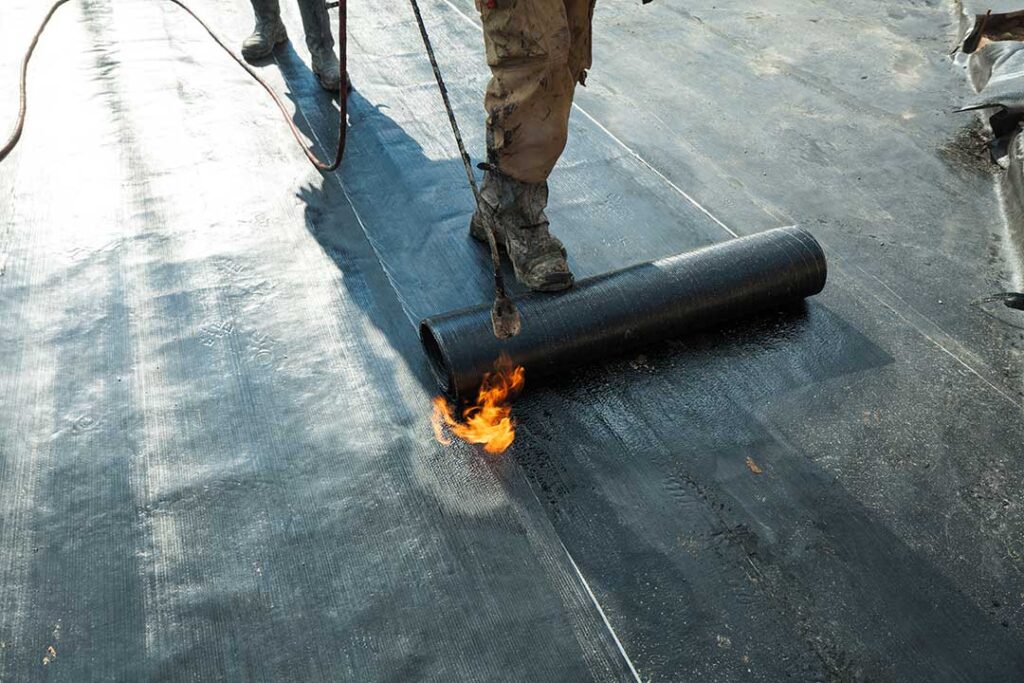
On flat or membrane roofs common in multi-family housing and newer construction, expect to see:
- Pitted or squished spots
- Discoloration around impacts
- Tears in the membrane material
Why Is Hail Damage Sometimes Hard to Spot?
Some hail damage isn’t immediately obvious, especially when viewed from ground level or right after a storm clears. Even small hail can reduce a roof’s lifespan, yet outwardly, everything may appear fine.
Several factors contribute to hidden or delayed symptoms:
- Shingle granules may only begin to wash away weeks or months later, becoming visible in gutters or at downspout exits.
- The mat or substrate under shingles can be bruised without surface cracks, making leaks possible only after more rain or snowmelt.
- Wood and asphalt materials age differently—the same pattern of damage may look worse or milder depending on the roof’s age and prior condition.
Local residents sometimes attribute shingle granule buildup in gutters to normal roof aging, missing a clue to recent hail impact.
Are Hail Bruises and Blisters the Same Thing?
Though both appear as raised or discolored areas, hail bruises and roof blisters aren’t the same. Hail bruises are localized, soft-to-the-touch spots where granules have been displaced and underlying material is indented. Pressing these bruises gently with a finger may reveal a “give,” similar to pressing a bruised apple.
Blisters—by contrast—are bubbles formed by trapped moisture or heat within the shingle, unrelated to hail impact. These usually occur evenly or in groups on older homes and may not be directly linked to storms. Misidentifying the two can lead to unnecessary concern, or overlooked repairs after an intense hail event.
What Weather Patterns in Saratoga Springs Make Roofs Vulnerable to Hail Damage?
Circulating thunderstorms in late spring and throughout summer are the chief culprits for local hail. Saratoga Springs experiences these weather events along with fluctuating temperatures, which can further stress aging roofs.
Contributing factors to damage include:
- Wide temperature swings causing materials to expand and contract
- Occasional severe storms producing hailstones from pea-size to golf ball-sized
- Tree coverage increasing the chances of falling branches or debris, compounding hail damage
Households with aging or sun-baked roofs are at a higher risk during these storm periods. After significant hailstorms, local residents often notice increased roofing granules on vehicles, walkways, and in gardens.

What Are the First Places to Check After a Hailstorm?
Before climbing the roof, it’s best to look for safe, accessible clues at ground level. Subtle indicators can prompt a closer inspection.
Start with:
- Checking metal surfaces—mailboxes, AC units, and gutters—for fresh dings or chipped paint
- Inspecting siding, window trim, and deck railings for telltale pockmarks
- Looking at vehicles parked outside for dents, since similar damage is possible on the roof
From a ladder or safe vantage, use binoculars to scan for missing shingle granules or newly exposed underlayers. Don’t forget to examine roof planes facing the brunt of the storm; in Saratoga Springs, this is often the west or northwest side due to prevailing winds.
Be aware: attempting to walk on a wet or damaged roof is unsafe and not recommended for untrained individuals.
Can Hail Damage Create Roof Leaks Right Away?
While leaks can occur immediately if hail punctures or exposes the underlayment, in many cases, leaks develop gradually. Minor bruises or lost granules weaken shingles, allowing water to penetrate over time. Saratoga Springs often sees slow leaks manifest weeks or months after a severe hail event—frequently evident as stained ceilings, damp attic insulation, or peeling paint.
Common misconceptions include:
- Assuming no leak means no damage
- Believing only large hail causes serious roof issues
Both can lead area households to defer needed attention until a routine inspection or unrelated repairs reveal larger problems.
How Does Local Building Age or Roof Type Affect Hail Damage Risks?
Older homes with layered asphalt shingles or roof decks may be more prone to both visible and hidden hail damage due to aging materials and less advanced installation methods. Newer builds in Saratoga Springs featuring impact-rated roofing may show fewer surface signs but still experience underlying damage during significant storms.
Factors influencing risk include:
- Roof pitch—flatter roofs collect larger, more direct impacts
- Multiple roof layers hiding bruise patterns
- Condition of attic ventilation, which can influence drying and minimize long-term effects
Area households with roofs nearing the end of their expected life span should remain vigilant even after seemingly minor hail events.
What Steps Should Residents Take if Hail Damage Is Suspected?
If, after a storm, you notice dents, granules at gutter exits, or other sudden changes on or around the roof, document the damage with clear photos and keep a record of storm dates. Use a flashlight to check the attic for dampness or visible daylight.
Where safe, inspect without climbing, consult weather reports for official hail size, and consider calling local emergency management if severe or structural hazards are present. For more complex or hazardous situations—such as potential electrical damage, major leaks, or suspected structural instability—professional inspection is warranted.
