
Roof underlayment is the protective layer installed between a roof deck and the visible roofing material. Although it cannot usually be seen from the ground, it helps limit water intrusion, protect the structure during installation, and support the roof’s performance through changing weather.
What does roof underlayment do?
Roof underlayment provides a secondary barrier beneath shingles, metal panels, or other roof coverings. The outer roofing material sheds most rain and snow, while the underlayment helps protect the roof deck if moisture gets beneath that surface layer.
It can serve several purposes:
- Helps resist water that moves under roofing during wind-driven rain
- Protects exposed roof decking before the final roof covering is installed
- Reduces the chance of moisture reaching attic insulation or interior ceilings
- Provides temporary protection if roofing work is interrupted
- Helps separate some roofing materials from the wood roof deck
Underlayment is not designed to replace properly installed shingles, flashing, ventilation, or drainage. It is one part of a complete roof system.
Why is underlayment especially useful in Saratoga Springs?
Saratoga Springs experiences a mix of weather that can test every layer of a roof. Snow, freezing temperatures, spring rain, summer storms, and repeated thawing and refreezing can expose weak points around roof edges, valleys, chimneys, skylights, and wall intersections.
Snow and ice do not always create problems simply because they are heavy. More often, trouble begins when melting water is blocked by ice near the eaves or when wind pushes rain beneath the roof covering. A sound underlayment can provide an added line of defense in these situations, although it cannot correct poor drainage or defective flashing.
Older homes may also have roof shapes, additions, dormers, or previous repairs that create multiple transitions. Those areas require careful underlayment installation because water can follow complicated paths below the visible roofing surface.
What are the main types of roof underlayment?
The three broad categories are asphalt-saturated felt, synthetic underlayment, and self-adhering membrane.
Asphalt-saturated felt
Often called roofing felt, this material has been used for many years. It is generally made from a paper or fiberglass base saturated with asphalt.
Felt can provide dependable basic protection when installed correctly, but it may tear more easily during foot traffic or installation. It can also wrinkle if exposed to moisture before the roof covering is installed. Different grades have different strength and handling characteristics.
Synthetic underlayment
Synthetic underlayment is made from polymer-based materials. It is typically lighter than felt, resists tearing, and can remain exposed for a limited period during construction, depending on the product instructions.
Synthetic materials are not automatically superior in every situation. Performance depends on the product, fastening method, overlap, roof design, and how long it remains exposed. A lightweight material installed carelessly may offer less protection than a heavier material installed properly.
Self-adhering membrane
Self-adhering underlayment, sometimes called a peel-and-stick membrane, uses an adhesive backing to bond to the roof deck or another prepared surface. It is commonly used in areas that need enhanced protection, such as eaves, valleys, penetrations, and locations vulnerable to ice-related backup.
These membranes require careful surface preparation. Dust, damp wood, cold temperatures, wrinkles, and poor alignment can interfere with adhesion. They should not be treated as a substitute for correct flashing or adequate roof ventilation.
Is ice-and-water protection the same as regular underlayment?
No. Ice-and-water protection is a specialized form of self-adhering membrane, while regular underlayment generally refers to felt or synthetic sheet material.
Ice-and-water membranes are intended for areas where water may remain temporarily or move beneath the roof covering. Roof edges and valleys are common examples. The exact locations and extent of required protection depend on the roof design, applicable building requirements, and manufacturer instructions.
A common misconception is that placing a membrane across the entire roof automatically makes the roof waterproof. Roofs still depend on proper slopes, flashing, fasteners, ventilation, drainage, and an intact outer covering.
Where is underlayment installed?
Underlayment is generally placed over the roof deck and beneath the finished roof covering. Installation details vary according to the roofing material and roof design.
Special attention is needed around:
- Eaves and rake edges
- Valleys where two roof sections meet
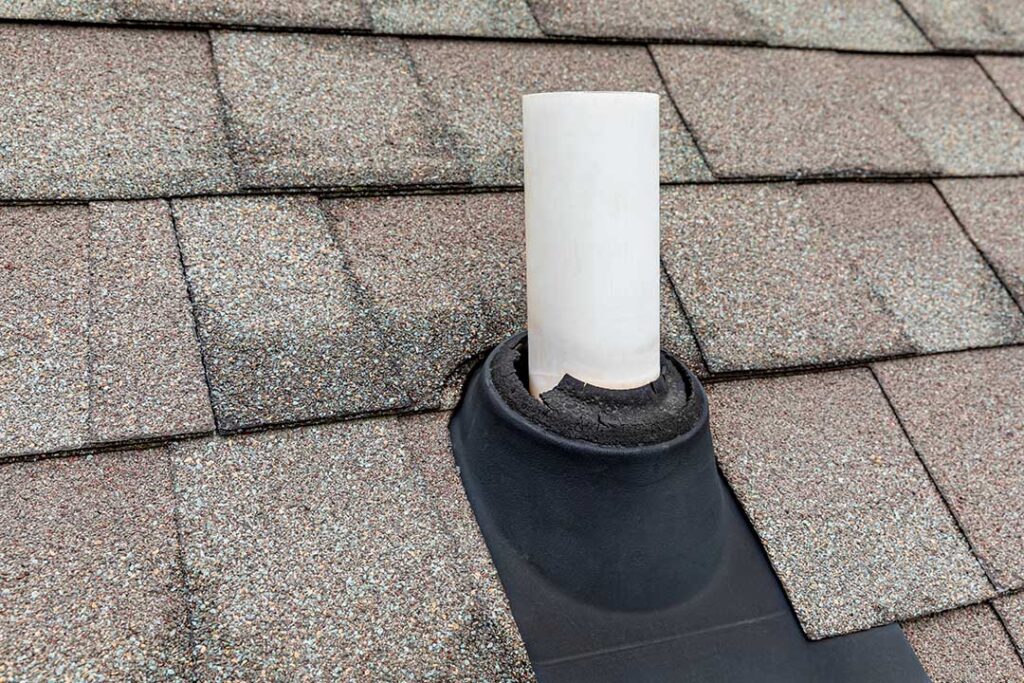
- Chimneys, skylights, and roof vents
- Dormers and wall-to-roof intersections
- Areas where one roof section meets another
- Roof penetrations, including pipes and mechanical equipment
The material must be overlapped in a way that directs water downward rather than behind an upper sheet. Fasteners should be placed according to the material and installation requirements. Wrinkles, gaps, exposed fastener heads, and improperly sealed transitions can create future leak paths.
Can underlayment prevent roof leaks?
Underlayment can reduce the risk of leaks, but it cannot guarantee that a roof will remain leak-free. Water may enter through damaged shingles, failed flashing, open seams, clogged drainage paths, or penetrations that were not sealed correctly.
A roof leak may also appear far from the point where water entered. Moisture can travel along decking, rafters, insulation, or framing before becoming visible on a ceiling. That is why replacing a stained section of interior drywall does not necessarily address the source.
Underlayment is most effective when it works with:
- Proper roof slope
- Secure and well-maintained roof covering
- Correct flashing
- Clear gutters and drainage paths
- Adequate attic ventilation
- Properly sealed penetrations
- Sound, dry roof decking
What happens if underlayment is damaged?
Small tears or punctures may occur during installation, especially around fasteners and roof transitions. Whether a defect matters depends on its size, location, exposure time, and the roofing material above it.
Damage is more concerning near eaves, valleys, chimneys, skylights, and other areas where water is likely to collect or move laterally. Underlayment that has been exposed to rain, snow, sunlight, or foot traffic for too long may also lose some of its protective value.
During reroofing, hidden damage may not be visible until the outer covering is removed. If the roof deck is soft, stained, swollen, or deteriorated, the underlayment should not simply be placed over it without addressing the underlying condition.
Does a roof need underlayment under metal roofing?
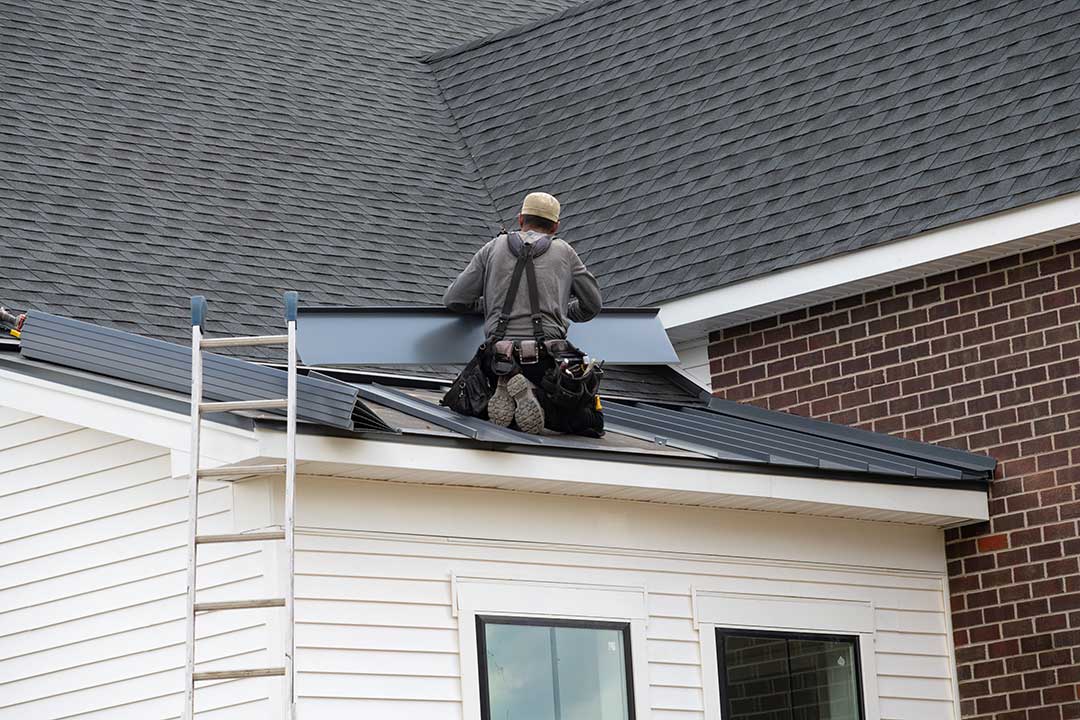
In most roof systems, some form of underlayment is used beneath metal roofing, but the correct approach depends on the panel design, roof deck, slope, climate exposure, and installation instructions.
Metal roofing can shed water efficiently, but it still has seams, fasteners, penetrations, and edge details that require careful treatment. Some materials may also react with one another if placed directly together. Underlayment can help manage moisture and provide separation, but it does not eliminate the need for correctly detailed edges and penetrations.
How can homeowners recognize underlayment problems?
Underlayment is hidden, so visible symptoms are often indirect. Warning signs can include:
- Water stains that appear after wind-driven rain
- Damp attic insulation or roof framing
- Leaks near valleys, eaves, or roof penetrations
- Persistent musty odors in the attic
- Roofing installed over visibly damaged decking
- Temporary roof coverings that have been exposed for an extended period
Do not enter a steep, icy, or visibly damaged roof area to investigate. Attic inspections also require caution around nails, wiring, insulation, and limited walking surfaces. Safety and local code requirements may require qualified assistance when the roof or structure is hazardous.
Understanding underlayment helps explain why a roof is more than its visible shingles or panels. The concealed layers, edge details, flashing, drainage, and ventilation all work together to manage the wet, snowy, and rapidly changing conditions common throughout the year.
