
What Causes Shingle Curling and Cracking?
Shingle curling and cracking are common issues for roofs in Saratoga Springs, NY, often caused by a mix of weather exposure, aging materials, and installation factors. Winters in this region bring freeze-thaw cycles and heavy snow, while summers can mean high heat and humidity. Over time, these climate extremes can stress roofing materials.
Typical causes include:
- Age-related drying and shrinking of asphalt
- Poor attic ventilation, leading to excess heat or trapped moisture
- Low-quality or improperly installed shingles
- Damage from wind-driven ice or water seeping beneath shingles
Each of these factors makes roof shingles more vulnerable. Understanding the underlying cause is the first step to choosing the right solution.
How Can You Tell If Your Shingles Are Curling or Cracking?
Both curling and cracking are visible from ground level. Curling shingles appear as if their corners or edges are lifting away from the roof surface, creating a wavy or uneven texture. Cracking, by contrast, presents as small splits, fissures, or lines in the shingles.
Here’s what residents typically notice:
- Curling – Edges bending upward, showing light between roof and shingle
- Cracking – Linear splits across the surface, sometimes extending over multiple shingles
After a winter thaw in Saratoga Springs, curling and cracked shingles stand out as areas that look more irregular than the rest of the roof. Checking in spring or after major windstorms helps spot these problems early.
Are Shingle Curling and Cracking Always Serious?
Some curling and cracking are normal as a roof ages, especially after harsh winters and hot summers experienced in the city. Not all visible damage means immediate leaks, but such changes do signal increased risk for water entry, wind damage, or accelerated deterioration.
Consider:
- Localized cracking on older roofs can suggest the covering is near the end of its lifespan.
- Curling concentrated in one area may indicate attic ventilation issues or past storm damage.
- Minor issues in a small section may be manageable, but widespread damage typically requires more than spot fixes to maintain protection.
Even if there’s no active leak, curled or cracked shingles can eventually allow water to penetrate, especially with melting snow or wind-blown rain common in spring and fall.
What Should Homeowners Do If They Spot Curling or Cracked Shingles?
Quick action can prevent more extensive roof deterioration. Start with a visual inspection from the ground using binoculars or take clear photos to document changes over time.
Practical first steps:
- Observe for any missing, broken, or severely deformed shingles
- Check for shingle granules collecting in your gutters—this often accompanies surface cracks
- Look indoors for signs of leaks, such as water stains on ceilings or walls
For minor, localized curling or small cracks, some homeowners in Saratoga Springs have successfully used roofing cement or sealant to temporarily secure or seal affected areas. However, these are often only short-term fixes, especially in a climate with frequent freeze-thaw cycles.
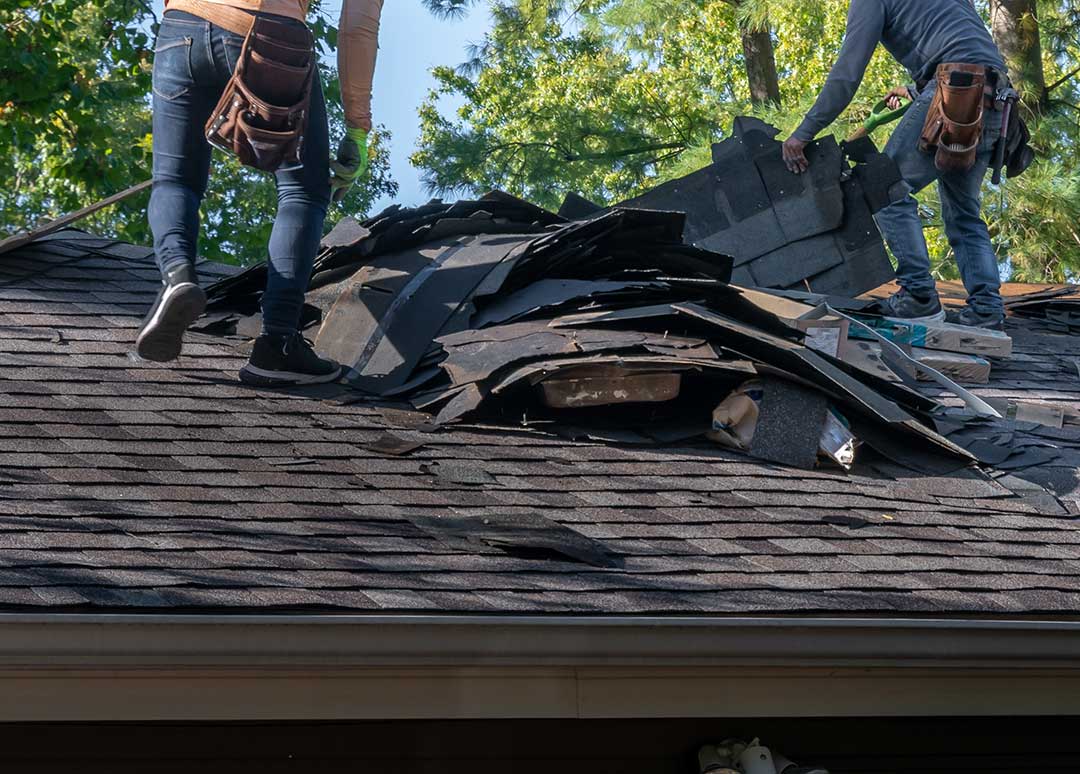
If you cannot safely access your roof, or if more than a small area is affected, seeking advice from local building resources or experienced neighbors—rather than attempting risky repairs—is a wise choice.
What Preventative Steps Are Most Effective in Saratoga Springs?
Prevention focuses on both initial installation quality and ongoing care, with an eye toward the unique seasonal changes in Saratoga Springs.
Key strategies:
- Ensure attic spaces are well-ventilated to regulate temperature and reduce moisture build-up
- After heavy snowfall, remove excess snow carefully to prevent ice dams that force water under shingles
- Schedule regular roof checks in spring and autumn, looking for early warning signs of shingle damage
- Use shingles rated for cold climates with reinforced mats and flexible composition for better resilience
Many area households prioritize roof maintenance after winter, knowing that the freeze-thaw cycle stresses older materials. Simple steps—like clearing gutters and downspouts or trimming back overhanging branches—help increase shingle lifespan.
When Does Shingle Curling or Cracking Mean Roof Replacement?
If cracked or curled shingles cover large sections of the roof, or if leaks become frequent during rain and snowmelt, it’s a sign that the protective barrier is compromised. Saratoga Springs’ cold winters can accelerate this decline, especially on roofs older than 15-20 years.
Indicators of a failing roof:
- Shingles with widespread cracking or curling
- Multiple leaks or visible interior water damage
- Shingles that break easily when touched or walked on
Some residents delay full roof replacement, hoping for patches and repairs to hold. However, it’s worth remembering that partial repairs can offer only temporary relief—especially if much of the roof shows similar wear.
Are There Any Common Misconceptions About Shingle Damage?
A frequent misconception is that minor curling or cracking always requires immediate, full replacement. In reality, limited issues on newer roofs can often be repaired, particularly if addressed early and the underlying attic and ventilation systems are healthy.
Another myth is that shingle color or style alone determines resistance to curling or cracking. In Saratoga Springs’ climate, it’s the quality of installation and underlying materials—plus upkeep—that matter most for long-term durability.
