
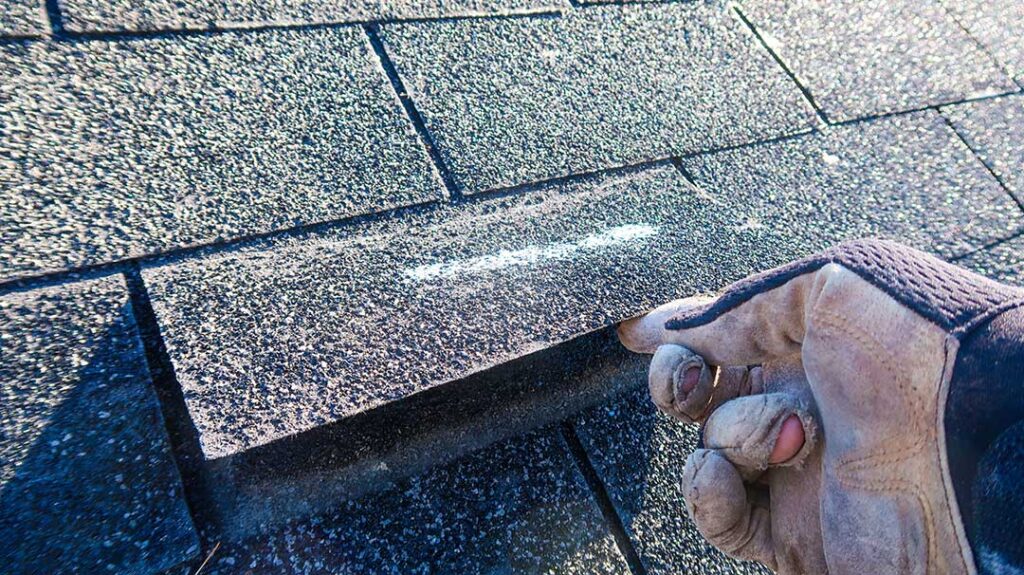
Roof damage caused by animals is often gradual rather than dramatic. A squirrel may enlarge a small opening, birds may dislodge roofing materials while nesting, and raccoons can damage flashing or vents while trying to enter an attic. In Saratoga Springs, NY, seasonal temperature changes, snow, ice, rain, and mature residential landscaping can make these weaknesses more noticeable over time.
Animal-related roof problems are not limited to visible holes. Some of the most serious effects occur beneath the shingles, around ventilation openings, or inside the attic, where moisture and nesting materials can create secondary damage.
Which animals commonly affect roofs?
Squirrels, birds, bats, raccoons, mice, and insects are among the animals most likely to affect residential roofing systems. Each tends to cause a different type of problem.
- Squirrels may chew through soffits, fascia, roof-edge materials, and plastic or wood components around vents. They can also enter through small openings and damage insulation or wiring.
- Birds often nest near chimneys, roof vents, gutters, and sheltered eaves. Nesting material can block airflow or hold moisture against roofing components.
- Bats may use gaps near flashing, ridge vents, soffits, or roof-wall intersections. Their droppings can accumulate in attic spaces and create sanitation concerns.
- Raccoons can lift shingles, bend flashing, tear screens, and enlarge openings while searching for shelter.
- Mice and other rodents may enter through roof-edge gaps and then move through insulation or wall cavities.
- Insects, including carpenter ants and wasps, may take advantage of damp or deteriorated wood near roof edges and penetrations.
Animal activity is more likely where a roof already has loose materials, aging sealants, damaged vents, or untrimmed branches that provide access.
How does animal activity damage roofing materials?
Animals can damage a roof through chewing, scratching, digging, nesting, and repeated movement. A small opening may become large enough for rain, wind-driven snow, or cold air to enter.
Shingles are especially vulnerable near roof edges, valleys, chimneys, skylights, and vent openings. An animal moving beneath a shingle can break the seal between adjacent pieces or loosen fasteners. Once that happens, wind may lift more material during a storm.
Flashing can also be affected. Flashing is installed around roof penetrations and transitions to direct water away from vulnerable joints. If it is bent, pulled away, or punctured, water may enter behind the exterior surface even when the roof appears intact from the ground.
Nesting materials create a separate risk. Leaves, twigs, feathers, and insulation can block vents or collect in sheltered areas. Restricted ventilation can trap heat and moisture in the attic, increasing the possibility of condensation, mold growth, or premature deterioration of roof sheathing.
What signs suggest animals have entered a roof or attic?
The clearest signs are unusual sounds, visible openings, and animal waste, but some evidence is easy to overlook.
Residents may notice:
- Scratching, gnawing, or movement sounds, especially around dawn, dusk, or nighttime
- Shingles that appear lifted, torn, or displaced
- Damaged soffits, fascia, vent screens, or chimney caps
- Droppings or nesting debris in the attic or near roof openings
- Damp insulation, musty odors, or unexplained stains on attic wood
- Daylight visible through roof decking or along the eaves
- Feathers, fur, leaves, or twigs near vents and roof edges
- Sudden increases in flies or other insects near an attic space
A roof leak may not appear directly below the entry point. Water can travel along rafters, roof decking, insulation, or wall cavities before becoming visible indoors. A ceiling stain therefore does not always identify the exact location of the exterior damage.
Why are winter and spring especially revealing?
Cold weather can expose roof weaknesses that were less obvious during warmer months. In the Saratoga Springs area, snow, freeze-thaw cycles, and strong winter winds place additional stress on already damaged roofing components.
Animals often seek protected shelter before or during winter. Once inside an attic, they may remain active for months, disturbing insulation and creating openings. Snow can then enter through roof-edge gaps or damaged vents. When temperatures rise, trapped moisture may lead to staining, odors, or deterioration of wood components.
Spring brings another pattern: nesting. Birds and small mammals may use roof cavities, chimney areas, and soffits for shelter. Their activity can block ventilation openings or create new damage as they carry nesting materials in and out.
Can animals cause roof leaks even without visible holes?
Yes. A leak can result from displaced shingles, damaged flashing, blocked drainage, or a weakened seal rather than a large opening.
For example, a squirrel may disturb shingles near a roof penetration without creating a clearly visible hole. Rainwater can then move beneath the affected area. Similarly, a bird nest near a vent may obstruct airflow and contribute to condensation, while repeated movement around the vent loosens its surrounding seal.
Ice and snow can make these issues worse by keeping moisture in contact with damaged materials for longer periods. Wind-driven rain may also enter through small gaps that remain dry during calm weather.
How should homeowners respond to suspected animal damage?
The first step is to observe from a safe location and document what is visible. Binoculars can help identify lifted shingles, damaged vent covers, or nesting activity without requiring a person to climb onto the roof.
Avoid sealing an opening immediately if an animal may still be inside. Closing an active entry point can trap animals in the attic or separate adults from young. It can also lead to additional interior damage as the animal searches for another exit.
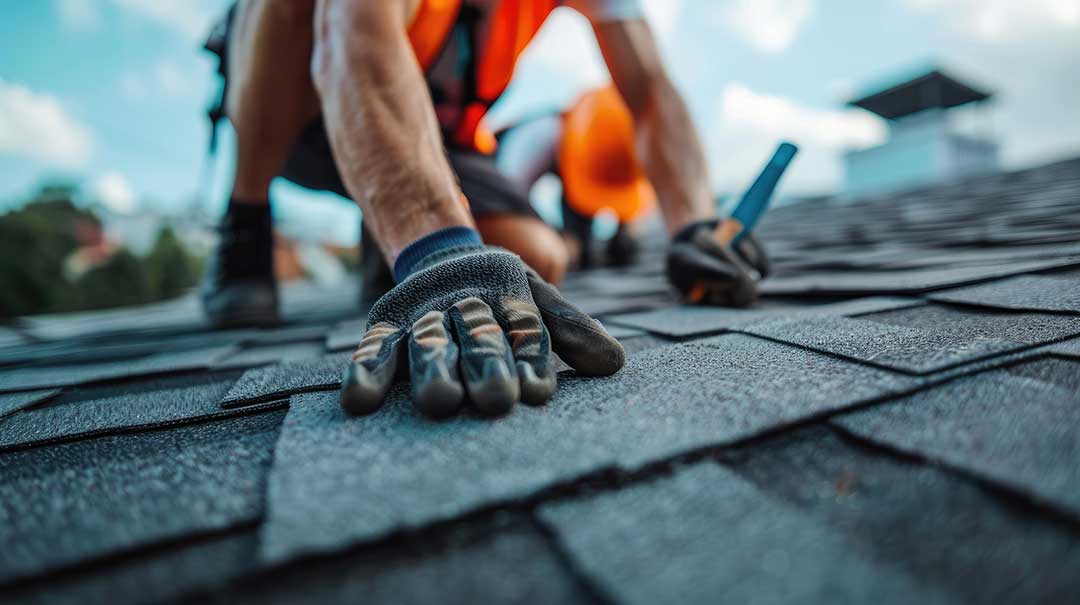
A qualified wildlife-control provider may be necessary when bats, raccoons, or nesting animals are involved, particularly if there is a risk of bites, disease exposure, or protected wildlife concerns. Roof repairs should follow removal or exclusion so that damaged areas can be assessed accurately.
If electrical wiring, extensive droppings, or contaminated insulation is present, entering the attic may be unsafe. Respiratory protection and proper sanitation procedures may be needed.
What routine steps help prevent animal-related roof damage?
Prevention focuses on reducing access while preserving proper roof ventilation and drainage.
Useful maintenance measures include:
- Keeping tree limbs from resting on or rubbing against the roof
- Checking soffit, fascia, and roof-edge areas for gaps or rot
- Replacing damaged vent screens with appropriately fitted materials
- Inspecting flashing around chimneys, skylights, and roof vents
- Keeping gutters clear so moisture does not contribute to wood deterioration
- Checking the attic after major storms and before winter
- Looking for nests or debris near vents without disturbing active wildlife
- Maintaining chimney caps and other protective covers where appropriate
Repairs should not block designed ventilation openings. An improvised patch may keep an animal out temporarily while also trapping heat or moisture in the attic.
Are animal-related roof problems covered by insurance?
Coverage depends on the policy, the cause of damage, and whether the insurer considers the issue sudden, accidental, gradual, or related to maintenance. Damage from a storm that exposes an animal entry point may be treated differently from long-term deterioration caused by an untreated opening or infestation.
Photographs, dates, weather information, and records of observed damage can help document the situation. Policyholders should review their own coverage rather than assume that all animal damage is included or excluded.
The most useful distinction is between the original entry problem and the resulting damage. A policy may address one while limiting coverage for the other, depending on its terms.
When does animal damage require prompt attention?
Prompt attention is warranted when water is entering the home, the roof structure appears weakened, electrical wiring has been disturbed, or an animal is trapped inside. Missing shingles after a storm, exposed roof decking, sagging areas, and active leaks should not be postponed until the next season.
Animal activity is often a symptom of a vulnerable roof edge, opening, or penetration. Addressing both the wildlife entry route and the roofing damage helps prevent a small disturbance from becoming a larger moisture, insulation, or structural problem.
