

How Do Small Roof Problems Get Worse Over Time?
Minor roofing issues, like missing shingles or a small leak, often go unnoticed or are dismissed as harmless. However, even in the relatively moderate climate of Saratoga Springs, the freeze-thaw cycles, heavy rains, and occasional snow are tough on aging roofs. Left untreated, a simple problem can quickly grow.
Moisture can seep into cracks and under damaged shingles, softening materials and giving mold or rot a foothold. Water that finds its way beneath the surface during a spring rain can freeze in winter, expanding and opening up new gaps. What started as a single broken shingle can lead to widespread water damage or even structural issues if ignored over several seasons.
What Kinds of Damage Can Ignoring a Roof Cause to My Home?
If small issues aren't managed, roof damage often extends far beyond the shingles. The most common and costly consequences include:
- Interior water stains and damaged drywall or plaster, especially on upper floors and ceilings
- Rotted rafters, decks, or other structural elements that can compromise safety
- Mold growth in attics and insulation, sometimes leading to poor air quality or respiratory irritation
- Insulation that loses effectiveness after becoming wet, increasing heating bills through Saratoga Springs winters
- Warped or degraded exterior trim, siding, or even brick if leaks go undetected for several months
Homeowners are often surprised to learn that most insurance policies won’t cover damage resulting from long-term neglect or deferred maintenance.
How Can Weather in Saratoga Springs Make Roof Problems Worse?
Seasonal changes in Saratoga Springs deliver a combination of challenges for local roofs. After a wet spring, minor leaks may not seem urgent, but the region’s humid summer air can accelerate wood rot and encourage mold. Fall brings leaf debris that clogs gutters, forcing water back under shingles. Winter is especially risky, with cycles of snow, thaw, and ice causing significant stress:
- Ice dams may form along the eaves when snow melts and refreezes, pushing water backwards under the roofing material.
- Repeated freezing and thawing can widen small holes or shingle cracks.
- Sudden temperature changes can cause rapid expansion and contraction, loosening nails and sealants.
Roofs in this region often deteriorate faster if not regularly maintained, making preventive care especially relevant for area households.
What Is the Real Financial Cost of Putting Off Roof Repairs?
Many residents hope to save money by delaying repair, but postponing action often has the opposite effect. Repairing a few missing shingles or sealing a minor leak typically costs far less than dealing with the aftermath of long-term water intrusion.
If left alone, the scope of needed repairs usually grows:
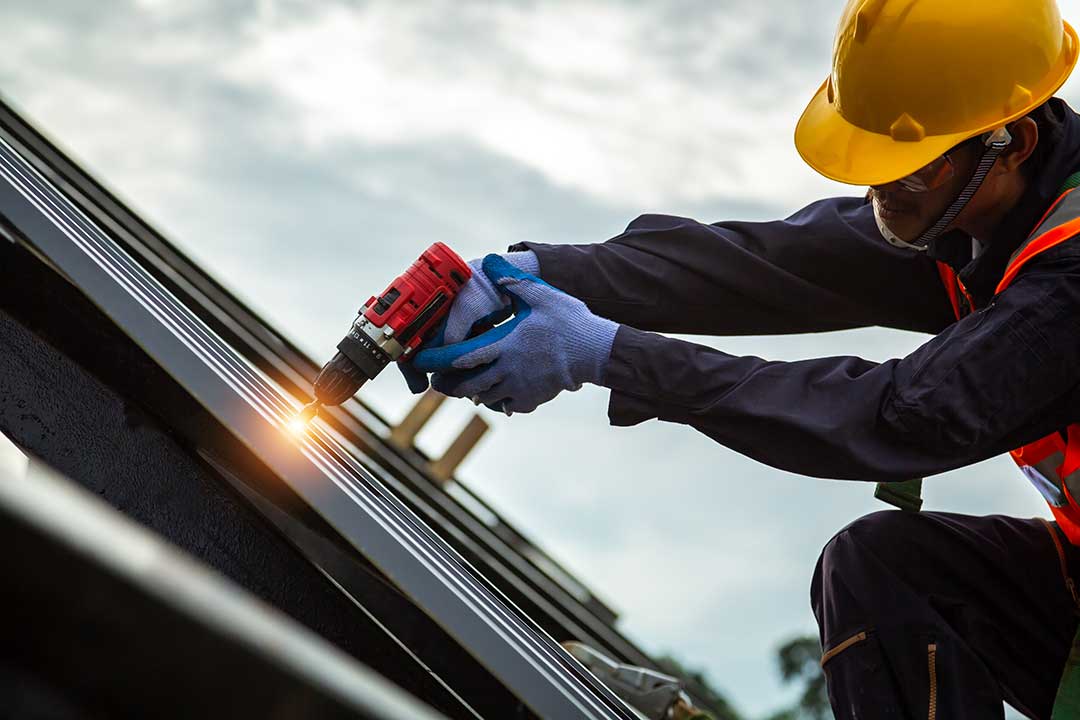
- A patch job may turn into a partial replacement.
- Water stains in a ceiling can become a costly attic remediation or require extensive drywall work.
- Mold remediation, wood rot repairs, and insulation replacement are often much more expensive than early intervention.
For example, neglecting a simple roof leak could escalate from a $200 repair to several thousand dollars in restoration costs, given the average prices for construction work in the region.
Could Ignoring Roof Issues Affect Health or Safety?
Water intrusion from roof problems does more than harm property—it can create an unhealthy environment and increase risks for those living inside. Prolonged dampness in the attic or behind walls creates a prime space for mold, sometimes causing allergic reactions, asthma flare-ups, and other respiratory issues. Wooden beams or supports weakened by rot may lose load-bearing strength, presenting a hazard if left unaddressed.
In rare but serious cases, a roof weakened by decay or hidden damage could be more vulnerable to collapse during a heavy snowstorm, which Saratoga Springs occasionally experiences.
Are There Hidden or Overlooked Consequences Many Residents Don’t Consider?
Beyond visible leaks or stains, ignored roof problems can impact resale value and insurance eligibility. Home inspectors often spot lingering moisture problems, sagging, or patched areas—red flags that can lower a home’s value or delay a sale. Some insurance carriers will even refuse new coverage, or decline to renew policies, for homes with known roof issues.
Utility costs may quietly rise as insulation becomes less effective, and chronic roof neglect can sometimes attract pests, such as squirrels or birds seeking entry through damaged soffits or vents.
How Do Local Factors Influence Roof Longevity and Damage?
Homes in Saratoga Springs sometimes feature older architectural styles with complex rooflines or historic materials, which can hide subtle signs of failure. Shaded lots with overhanging trees add risk from moss, wet debris, and falling branches. Residential areas that see frequent snow and ice require regular attic ventilation and insulation checks to prevent ice dams, factors some owners overlook.
Being proactive about roof inspection and small repairs, especially after major seasonal shifts or storm events, is the simplest way to avoid the compounding costs detailed above.
