
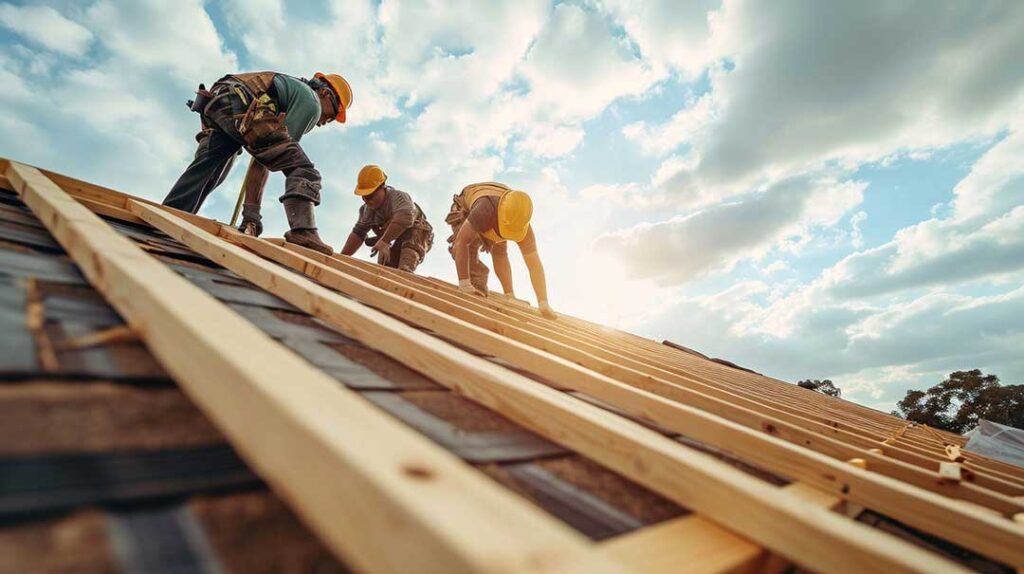
Do Most Roofs Really Last As Long As Advertised?
Warranties and advertised lifespans can be confusing. Many Saratoga Springs residents expect their roofs to last for the maximum number of years listed on packaging or in manuals. In reality, actual roof longevity can be influenced by the distinct seasonal swings seen in the region.
Factors affecting local roof life include:
- Frequent freeze-thaw cycles that cause materials to contract and expand, leading to cracks or shingle lifting.
- Seasonal wind storms that can loosen or remove shingles.
- Varying moisture and snow loads each winter, leading to underlayment and decking concerns.
Because of these conditions, even high-quality asphalt shingle roofs may outperform or underperform labels. Evaluating real-world wear and not just relying on paperwork can prevent surprises.
Is Replacing Roofs After Every Leak Necessary?
Not all leaks mean a whole new roof is needed. Residents sometimes believe that a single wet spot inside equals roof failure, but that’s rarely the case.
A leak may result from:
- A single missing shingle or flashing issue.
- Clogged gutters, leading to ice damming or backflow under shingles.
- Isolated storm damage on one section, especially near trees or roof edges.
Prompt inspections can often localize and repair damage without major replacement. However, repeated or widespread leaks may indicate underlying age or systemic problems.
Are All Roofing Materials Equally Suitable for Saratoga Springs Homes?
Different materials handle local weather differently. A common misconception is that any roofing option can be “upgraded” or replaced without considering the unique weather of the area.
Material considerations in Saratoga Springs:
- Asphalt shingles are common but can become brittle with frequent freezing and thawing.
- Metal roofs shed snow efficiently but may experience ice sliding hazards without proper guards.
- Slate and other heavy options may require structural reinforcement due to weight combined with snow loads.
When rebuilding or replacing, local climate and building codes should guide material choice as much as personal taste.
Will Dark Roofs Make a Home Too Hot?
Some homeowners worry that darker shingles will trap excessive heat in the attic during Saratoga Springs’ summers. While dark colors can absorb more sunlight, this isn’t usually a critical local issue.
Key points:
- Northern climates like Saratoga Springs rarely see excessive attic heat buildup thanks to shorter, milder summers compared to southern areas.
- Proper attic ventilation matters more for temperature regulation than shingle color.
- In cooler months, a darker roof can help with minor snow melt, reducing ice dam risk.
Local experience suggests most residents should prioritize material durability and ventilation over color alone.
Can I Inspect My Own Roof Easily?
Some believe that a quick glance from the yard is enough to spot roofing problems. Unfortunately, many issues are subtle or hidden from the ground.
What’s often missed during visual checks:
- Small curled, cracked, or missing shingles, especially along roof ridges.
- Damaged flashing around chimneys, skylights, and eaves.
- Moss, algae, or lichen growth in shaded areas—these can shorten roof life if not addressed.
- Interior attic leaks or wood rot that have not appeared outside yet.
While regular exterior checks after storms or in the spring are wise, more detailed seasonal inspections, including an attic look, reveal less obvious problems before they become serious.
Are Ice Dams Always a Roof Failure Issue?
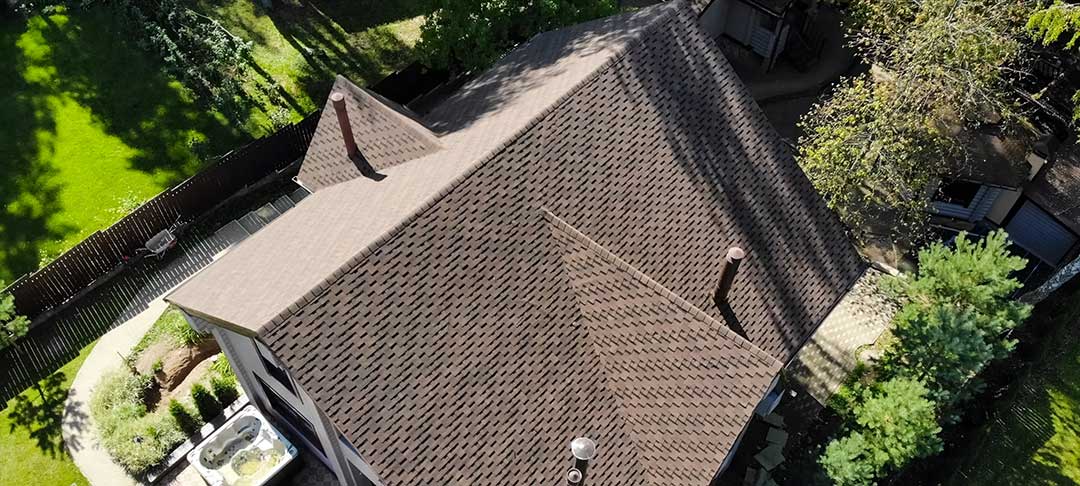
Ice dams, which often form after heavy Saratoga Springs snowfalls, are misunderstood by many. They are often seen as a roof defect, but they usually point to insulation and ventilation factors inside the home.
How ice dams form:
- Warm air leaks from the house melt roof snow, which then refreezes at the colder roof edge.
- The ice barrier causes water to pool and sometimes seep under shingles.
Prevention is a combined effort:
- Improving attic insulation and sealing air leaks can help reduce snow melt.
- Proper roof ventilation keeps attic temperatures more consistent.
- Clearing gutters and installing safeguards further prevent damming.
Tackling the cause—not just the symptom—protects roofs through Saratoga Springs’ changing seasons.
Do Gutter Guards End All Maintenance Needs?
Many area households believe that installing gutter guards eliminates all future cleaning needs. While guards are helpful, they do not create a maintenance-free system.
Local factors to keep in mind:
- Pine needles, acorns, and shingle grit from the typical area roof can still clump and block downspouts.
- Gutter guards can sometimes become clogged themselves after fall leaf drop or spring pollen season.
- Regular seasonal checks are still needed—especially after storms or before winter—to clear debris that has settled atop or in the guards.
A routine seasonal cleaning or at least a spot check helps keep water flowing away from the home.
Does Snow Piling Mean the Roof Is About to Collapse?
It’s common for snow to accumulate several inches (or more) during Saratoga Springs winters. Residents often worry large drifts mean their roof is unsafe.
A few key things to understand:
- Local building codes require roofs to handle significant snow loads.
- Well-maintained modern roofs usually do not collapse unless there is an underlying issue, such as rot or unusual structural weakness.
- Signs that require immediate attention include sagging, popping sounds, or interior water spots after storms.
Only exceptionally heavy, wet snow combined with compromised roof structure creates true danger—routine snow is not a cause for panic with a structurally sound roof.
