

What Do “Re-Roofing” and “Roof Replacement” Mean?
Both terms refer to methods of restoring a roof, but there is a fundamental difference between the two. Re-roofing adds a new layer of shingles over an existing layer, while roof replacement involves completely removing the old roofing material down to the underlying deck and installing new materials from scratch. Each method has distinct uses, costs, and considerations for area households.
When Is Re-Roofing a Viable Option?
Re-roofing—also called overlaying—is usually possible only if there is a single layer of shingles already in place and the underlying materials are in good shape. This approach simply covers the old roof with new shingles, rather than stripping off the old and starting over.
Re-roofing may be considered when:
- The roof is nearing the end of its lifespan but has no major leaks or damage.
- Shingles are curling, cracking, or losing granules, but the roof decking is still sound.
- Homeowners wish to save on cost and reduce the disruption of a full tear-off.
Local building codes often limit a roof to two shingle layers. In Saratoga Springs, most neighborhoods with homes more than a few decades old may qualify for re-roofing only once before a total replacement becomes necessary.
What Are the Advantages and Drawbacks of Re-Roofing in This Area?
Immediate benefits of re-roofing:
- Attractive upfront costs—generally less labor and fewer disposal fees.
- Faster process, which is practical during unpredictable spring or fall weather.
Potential drawbacks to consider:
- Hidden issues, like rot or leaks in the decking, aren’t addressed; these may worsen over time.
- Additional weight of a second layer may stress older roofs, especially on homes built before modern standards.
- Re-roofed homes may not cool or ventilate as efficiently in humid, changing seasons.
Neighborhoods in Saratoga Springs with mature tree cover and regular snow loads may see more rapid buildup of debris and ice dams on layered roofs, increasing maintenance needs.
What Does Roof Replacement Involve?
Full replacement means stripping away all shingles and underlayment down to the wood decking or substrate. Extensive inspection takes place, and any rotten or damaged wood is replaced before the new layers are installed.
This process is necessary if:
- More than one layer of shingles is already present (per code).
- There is sagging, moss growth, soft spots, or frequent leaks.
- Storms or ice dams have caused visible or hidden damage through several seasons.
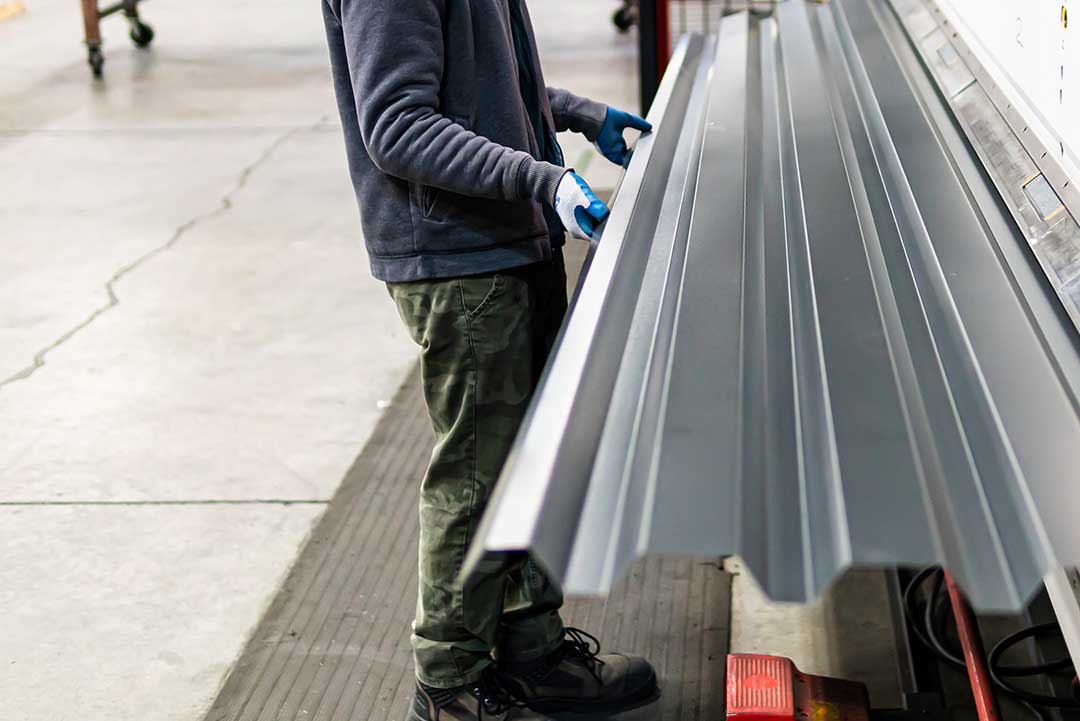
Local homes with steep-pitched roofs, clay tiles, or historic features may require specialized materials or techniques, and roof replacement makes it easier to address those needs. During replacement, upgrades such as ice barriers or improved ventilation can also be added to better withstand winter freezing and thaw cycles common in the city.
How Do You Know Which Approach Your Roof Needs?
A thorough inspection is essential. If your roof is generally sound, with only moderate wear and no significant water damage, re-roofing may extend its life for several years. However, if there are signs of rot, large areas of missing shingles, chronic ice dams, or repeated repairs, replacement is usually the only route.
Homeowners often overlook issues with attic moisture or deck softness, assuming shingles alone protect against leaks. Local conditions—such as wind off Saratoga Lake or heavy snowfall—can stress roofing systems faster than expected. For homes with evidence of moisture in upper floors or attics, underlying problems should be fully addressed, which only a replacement can achieve.
Common Misconceptions About Roofing Work
Residents sometimes believe re-roofing is always “cheaper” or “just as good” as a replacement. This can be misleading. While the initial expense may be lower, adding another layer can mask trouble, leading to hidden costs down the road. Also, not all roofing materials are suitable for layered installation.
Another local myth is that re-roofing can be done indefinitely, but building codes generally don’t allow more than two shingle layers. The age and structure of many homes in Saratoga Springs—especially those built in the late 19th or early 20th century—often make replacement the only safe long-term solution.
What About Environmental Considerations?
Roof replacement generates more waste, as old shingles and sometimes underlayment must be disposed of. However, this is also a chance to inspect and upgrade insulation, ventilation, and moisture barriers—which can help area households lower energy bills and reduce future maintenance.
Re-roofing, while initially producing less waste, doesn’t address deeper structural or energy efficiency issues. In older homes with drafty attics or ice dam problems, full replacement may lead to a safer, more comfortable home.
Key Takeaways for Saratoga Springs Residents
Both re-roofing and roof replacement serve important roles, but the best approach depends on the age, structure, and condition of the roof, as well as local building codes and climate. A careful evaluation of the existing materials, combined with an understanding of local weather patterns and long-term needs, provides area homeowners with practical guidance for a safe and economical decision.
