
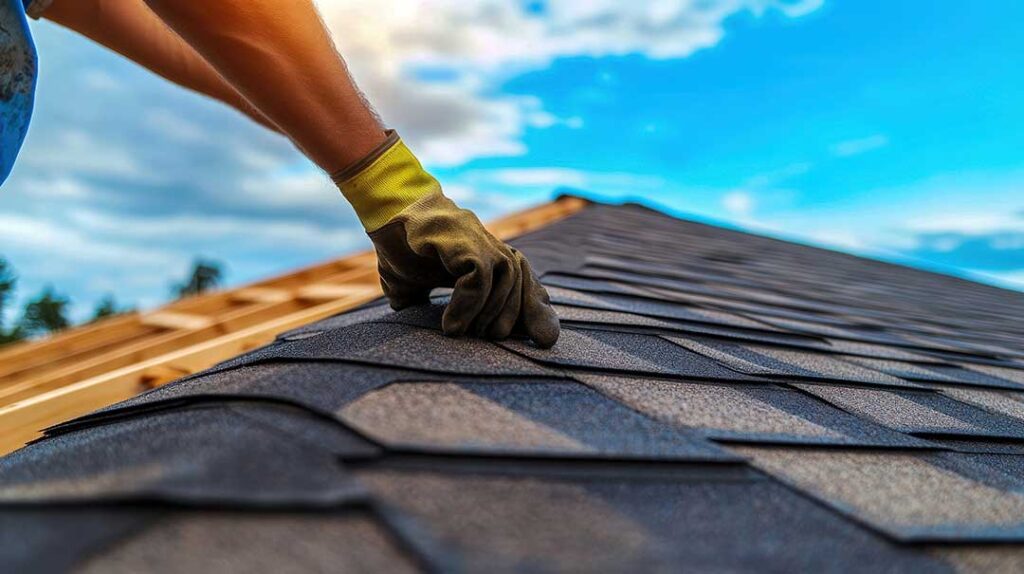
What Risks Come with Putting Off Roof Repairs?
Small leaks or missing shingles may seem minor at first, but delaying roof repairs can lead to far more significant—and sometimes hidden—damage. In Saratoga Springs, NY, where homes face heavy snowfall in winter, spring rains, and humid summers, a neglected roof can deteriorate faster than many realize. Roof problems rarely fix themselves; most get worse over time, affecting everything from energy bills to safety and even property value.
How Does Water Damage Start—and Spread?
A minor leak can allow water to work its way beneath roofing materials and into the structure below. Even a small drip from damaged flashing or a broken shingle can:
- Soak insulation, reducing energy efficiency
- Rot wood decking and rafters
- Encourage mold and mildew in attics or upper floors
- Stain or damage ceilings and walls
Residents often underestimate how quickly water problems move beyond the attic. In the climate of Saratoga Springs, freeze-thaw cycles can enlarge existing openings. What starts as a manageable repair can become widespread damage in just one season.
Could Neglected Roof Issues Cause Mold or Pest Problems?
Yes. Moisture trapped in roofs, attics, or walls promotes mold growth and may attract pests. Warm, humid summer days especially accelerate mold spores. Common signs of advance mold issues include musty odors, discolored ceiling spots, and peeling paint.
Pests such as squirrels, birds, or insects may use roof gaps as entry points, leading to nests, droppings, or further material damage. Once inside, removal becomes more invasive and costly than early exterior repair.
What Happens to Home Energy Costs?
Small roof defects allow air leaks, moisture, and wet insulation. This often leads to:
- Higher heating bills, as warm air escapes during colder Saratoga Springs months
- Increased summer cooling needs when humid outside air seeps in
- Ice dam formation that further damages roof edges and gutters
Residents may not realize their utility bills are rising due to hidden roof issues rather than household usage. Energy loss can persist for months or years before the root cause is identified.
Can Delayed Roof Maintenance Affect Insurance Coverage?
Homeowner policies generally expect routine maintenance. If a roof is neglected, insurers may:
- Deny claims related to obvious long-term neglect or wear
- Reduce payouts after storm damage if pre-existing flaws are found
- Require proof of recent repairs or inspections before issuing coverage
Those selling or refinancing their home may face additional scrutiny; lenders and buyers often request roof certifications or recent repair documentation.
How Can Roof Neglect Impact Structural Safety?
Water intrusion from unrepaired roof leaks can weaken beams, trusses, or load-bearing supports. Over time, this may result in:
- Bowing ceilings
- Sagging rooflines
- Increased risk of collapse under heavy snow or rain
Locally, heavy wet snow and repeated freeze-thaw cycles put extra strain on weakened structures during upstate winters. For older homes or those with original roof decks, the risks of failing or decaying supports are especially high.
Why Are Small Issues So Often Missed?
Common reasons roof problems go unnoticed include:
- Attics are rarely visited except for storage
- Minor stains are dismissed as unrelated to roofing
- Noise from rain or wind is attributed to normal weather
- Exterior inspections are difficult without ladders or safe roof access
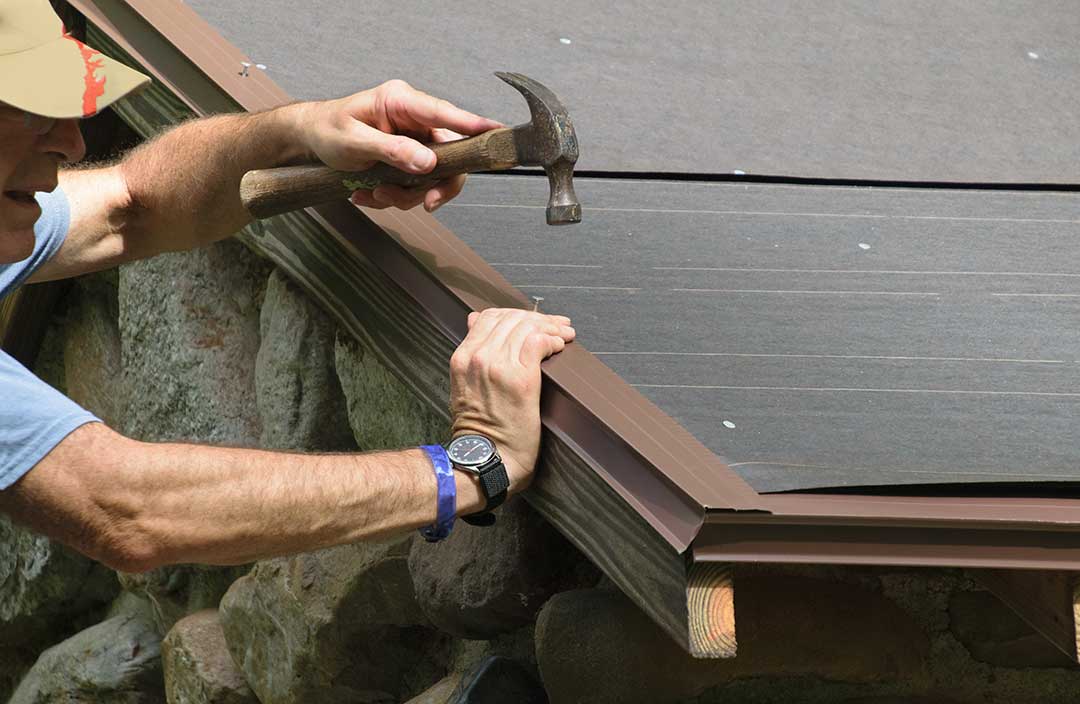
Many local households are surprised by the extent of damage discovered only after a visible leak appears. Regular visual checks from ground level, and after severe weather, help catch problems before they worsen.
Are There Specific Red Flags That Suggest a Repair Shouldn’t Wait?
Certain warning signs suggest immediate attention is needed:
- Moss or plant growth on shingles
- Shingle loss or curling after windstorms
- Granule buildup in gutters after heavy rains
- Rusted flashing near chimneys or vents
- Soggy or stained insulation in the attic
- Persistent ice dams forming in the same locations each winter
Ignoring these signs can lead to compounding damage, as weather and age accelerate wear once the roof barrier is breached.
How Fast Can Small Problems Become Costly?
A patchable leak in early autumn may not seem urgent, but one rough winter or major rainstorm can magnify the issue. For example:
- Water stains may develop into peeling, moldy drywall
- A patch of missing shingles can become a wide bare spot after a windstorm
- Trapped water may freeze, expanding cracks across the roof deck
Area homeowners sometimes delay repairs until spring, only to find substantially worse conditions after snowmelt or thawing. Early action helps avoid future expenses and disruptions.
What Can Residents Do to Prevent Trouble?
Routine checks—especially after severe weather or at the change of seasons—are the best defense against costly damage. Use binoculars to look for missing, cracked, or curling shingles from the ground. Clear leaves and debris from gutters to prevent water backup. In winter, monitor attic spaces for any new water stains or dampness after freeze-thaw cycles.
If safety concerns arise, such as a spongy roof deck or exposed electrical wiring, residents should avoid entering the affected area and follow relevant safety protocols.
By understanding the risks and responding quickly to early signs, local households can keep their roofs in strong condition and avoid many of the costly, disruptive problems that come with neglect.
