
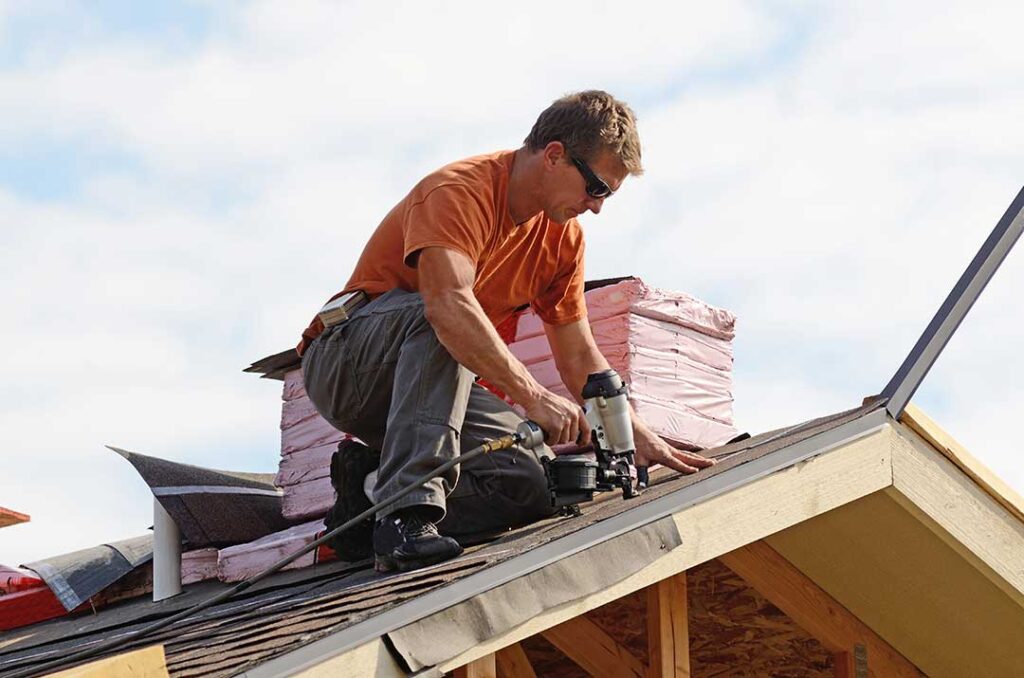
Roofing technology has moved beyond basic shingles and traditional felt paper. Newer systems now focus on moisture control, energy performance, weather monitoring, solar compatibility, and longer service life. For households in Saratoga Springs, changing seasons make these improvements especially relevant: roofs must handle snow, ice, wind, heavy rain, freeze-thaw cycles, and summer heat.
The most useful innovation is not always the newest-looking product. In many cases, better results come from combining improved materials with correct ventilation, drainage, insulation, and installation practices.
What roofing technologies are becoming more common?
Modern roofing innovations generally fall into five categories: stronger materials, better water management, improved energy efficiency, digital monitoring, and renewable-energy integration.
Examples include:
- Impact-resistant and polymer-modified shingles
- Synthetic underlayments and advanced ice-barrier membranes
- Reflective roofing materials designed to reduce heat absorption
- Solar-integrated shingles and low-profile solar mounting systems
- Smart sensors that detect moisture, temperature, or movement
- Improved attic ventilation and insulation assemblies
- Recyclable or partially recycled roofing materials
These developments are not equally useful for every home. Roof shape, age, pitch, attic design, tree cover, and local exposure often matter more than a product’s marketing description.
How are newer shingles different from traditional asphalt shingles?
Newer asphalt shingles may use stronger fiberglass reinforcement, modified asphalt, improved seal strips, and surface granules designed to resist algae growth or impact. Some products are engineered to remain more flexible during temperature changes, which can reduce cracking and splitting over time.
Impact-resistant shingles are another development. They are made to better withstand hail and falling debris, although “impact-resistant” does not mean damage-proof. A roof under mature trees may still experience punctures from branches, especially during heavy wind or wet snow.
Some advanced shingles are designed to reflect more sunlight than conventional dark roofing. This may lower roof-surface temperatures during summer, but the energy benefit depends on the home’s insulation, attic ventilation, roof color, and cooling needs. In a cold-weather region, reflective roofing is only one part of the overall energy picture.
What innovations help prevent ice dams and winter leaks?
No roofing product can eliminate ice dams by itself. Ice dams usually form when heat escapes into the attic, warms the underside of the roof, melts snow, and allows water to refreeze near colder eaves.
Modern approaches focus on controlling the entire roof assembly:
- Air sealing reduces warm indoor air entering the attic.
- Higher levels of insulation help maintain a consistent roof temperature.
- Balanced soffit and ridge ventilation allows heat and moisture to escape.
- Ice-barrier membranes provide added protection near eaves and roof penetrations.
- Improved flashing reduces leakage around chimneys, skylights, walls, and valleys.
For homes in Saratoga Springs, this system-based approach is more dependable than relying on heated cables or a thicker shingle alone. Heating cables can help in specific locations, but they do not correct poor insulation, blocked ventilation, or hidden water entry.
Are synthetic underlayments better than older roofing felt?
Synthetic underlayments are lightweight sheets installed beneath the outer roofing material. Many resist tearing, absorb less water, and remain more stable during installation than older forms of asphalt-saturated felt.
Their advantages may include:
- Better resistance to wrinkling and moisture exposure
- More consistent coverage across the roof deck
- Improved traction for workers compared with some older materials
- Longer temporary exposure ratings during construction
Synthetic underlayment is not a substitute for proper flashing or an ice-barrier membrane where one is required. Water usually enters at transitions and penetrations before it travels across the main field of the roof, so detailing remains critical.
How does solar technology affect roofing decisions?
Solar panels and solar-integrated shingles are changing how roofs are planned. A roof may now serve as both a weather barrier and an energy-generating surface.
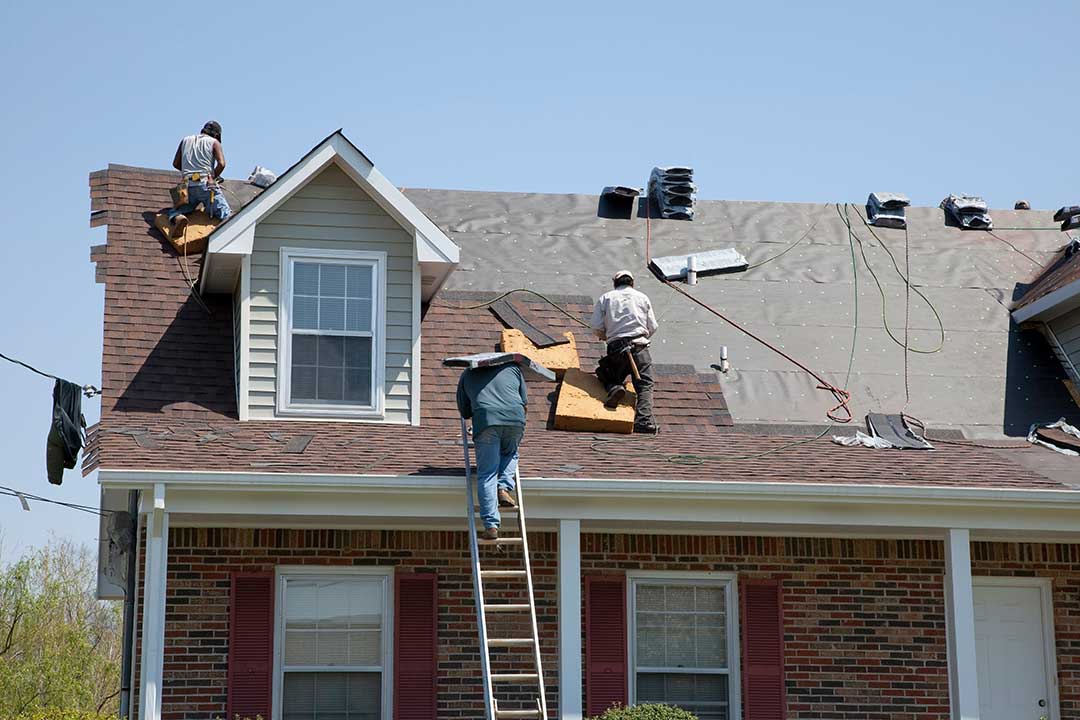
Before solar equipment is installed, the roof’s remaining service life should be considered. Adding panels to an aging roof can create an expensive removal and reinstallation issue if replacement becomes necessary a few years later.
Important planning factors include:
- Roof orientation and available sunlight
- Shade from trees, nearby structures, or roof features
- Structural capacity and attachment methods
- Flashing and waterproofing around mounting points
- Access for future roof maintenance
- Electrical equipment and battery-storage requirements
Solar shingles can create a more uniform appearance than rack-mounted panels, but they may have different repair procedures, costs, and replacement considerations. Neither option is automatically appropriate for every roof.
What are “cool roofs,” and do they make sense in a cold climate?
A cool roof uses materials with greater solar reflectance and thermal emittance. In plain terms, it reflects more sunlight and releases absorbed heat more effectively than a darker, less reflective surface.
This technology can reduce summer heat gain, particularly in buildings with low-slope roofs or poorly conditioned attics. However, the benefit may be limited in a well-insulated home with moderate air-conditioning use. A light-colored roof also does not replace attic insulation or air sealing.
For local households, roof color should be evaluated alongside snow visibility, neighborhood appearance, material availability, and the building’s heating and cooling patterns. A roof designed for a warm climate may not be the best choice simply because it has a high reflectance rating.
Can sensors detect roof problems before a leak appears?
Smart roofing sensors are increasingly used in commercial buildings and are beginning to appear in higher-end residential applications. These devices may monitor moisture, temperature, humidity, movement, or snow load.
A sensor can provide an early warning, but it cannot repair a flashing defect or stop water from spreading through roof sheathing. Sensors are most useful in areas where leaks are difficult to inspect, such as around mechanical equipment, low-slope sections, or concealed drainage systems.
Some homeowners may also use attic temperature and humidity monitors. These can reveal persistent condensation or unusual temperature patterns, although readings need to be interpreted in relation to outdoor weather and normal household activity.
Are green roofs practical for homes in this area?
Vegetated roofs can absorb rainwater, reduce surface temperatures, and support habitat. They are most common on low-slope buildings designed to support additional weight and manage drainage.
A green roof requires more than adding plants to a roof surface. The assembly may include waterproofing, root protection, drainage layers, growing media, structural reinforcement, and carefully selected vegetation. Snow accumulation can add substantial weight during winter.
For most pitched residential roofs, a full green roof is not a simple retrofit. Smaller strategies, such as rain gardens, planted areas, or improved site drainage, may provide similar stormwater benefits with fewer structural complications.
What should homeowners look for when comparing roofing innovations?
The most useful questions are practical:
- Does the technology address a known problem on the property?
- How will it perform during snow, ice, wind, and freeze-thaw conditions?
- Does it work with the existing roof structure and ventilation?
- Can damaged components be repaired individually?
- Will future maintenance require removing solar equipment or other attachments?
- Does the product comply with current New York State building and energy requirements?
- Are installation details available for roof edges, valleys, chimneys, and penetrations?
Building-code requirements can change, and projects involving structural alterations, insulation, electrical systems, or major roof work may require permits or code review. Safety also matters: roof surfaces become especially hazardous during wet weather, winter conditions, and high winds.
The central lesson is that roofing innovation works best as part of a complete system. Stronger shingles, better membranes, improved insulation, ventilation, solar equipment, and monitoring tools can each solve specific problems, but none can compensate for poor drainage or careless detailing. For homes in Saratoga Springs, durable roof performance still depends on matching the technology to the building, the weather, and the way the roof is maintained.
