
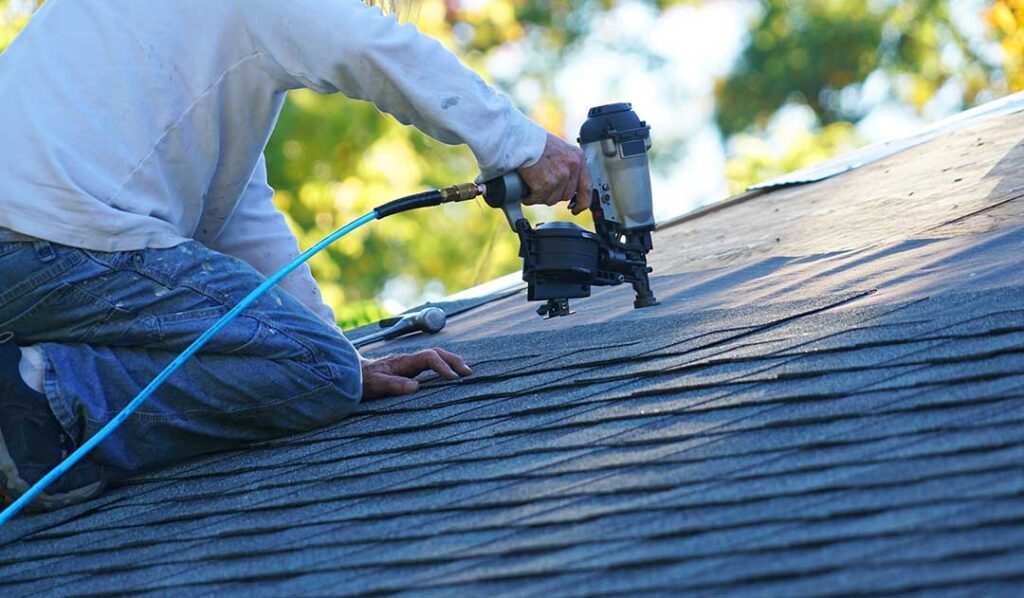
Why Does Roof Debris Build Up in Saratoga Springs, NY?
Debris accumulation on residential roofs is a common issue in Saratoga Springs, especially due to local weather patterns and the abundance of mature trees in many neighborhoods. Leaves, pine needles, branches, and even acorns are frequently deposited onto roofs by wind and storms. During the fall and spring, this buildup can intensify, especially after heavy rainfall or high winds. Moss and small twigs may also collect, particularly on the north-facing slopes or shaded areas of a roof.
What Are the Risks of Leaving Debris on the Roof?
Allowing debris to remain on a roof can trap moisture against shingles, increasing the chance of premature aging, leaks, and moss growth. In Saratoga Springs, where freezing and thawing cycles are common in the colder months, this retained moisture can lead to ice dams or shingle deterioration. Gutters stuffed with decaying leaves can also overflow, guiding water toward the foundation and causing ice buildup on walkways during winter.
How Can Residents Safely Remove Debris Themselves?
Generally, most homeowners can clear debris without special equipment. However, personal safety should always come first, especially on steep or high roofs. Before starting, it’s wise to wait for a dry, calm day—wet roofing materials and debris are much more slippery.
Recommended steps:
- Gather basic equipment: a sturdy ladder, a leaf blower (preferably with an extension attachment), a soft bristle broom or brush, gloves, and protective eyewear.
- Clear the area below of any obstacles or bystanders before climbing.
- Use the blower on the lowest setting to gently shift leaves and loose debris down the roof slope, working from the ridge toward the eaves.
- For stubborn debris in valleys or between shingles, a soft broom can help sweep material toward the edge without damaging the roof surface.
- If moss or algae are present, avoid using pressure washers or harsh chemicals; using a long-handled brush with gentle pressure is safest to prevent shingle loss or granule damage.
- Periodically descend to reposition the ladder rather than over-reaching.
In cases of very steep, slippery, or damaged roofs, or where power lines are nearby, attempting debris removal yourself can be dangerous.
How Often Should Roof Debris Be Removed?
In Saratoga Springs, once-after-leaf-drop in fall and again in spring (to remove winter buildup) works for most homes. Properties directly under large trees, or those in wooded neighborhoods, may require more frequent attention. After intense storms, it’s a good idea to visually inspect the roof from the ground for noticeable branches or clusters of leaves, which can be dealt with on an as-needed basis.
What Tools Are Most Useful for Local Roof Cleaning?
- Leaf blowers: Cordless and lightweight, these help move loose material quickly with minimal physical contact.
- Extension poles: Useful for reaching higher spots or cleaning from the ground, especially for single-story homes.
- Roof rakes: While more commonly used for snow, some models have gentle brush heads for debris as well.
- Soft, non-metal brooms: Good for brushed cleanup without harming shingles.
- Gutter scoops: Helpful for finishing the job by clearing out gutters after roof debris removal.
Some homeowners try hoses or power washers, but these often do more harm than good—water can force debris under shingles or into seams.
What Precautions Should Be Taken for Safety?

Roof cleaning is one of the most hazardous household chores, primarily due to height and slipperiness. A few specific safety recommendations:
- Only use ladders on level, stable ground, and keep three points of contact when climbing.
- Consider using a ladder standoff to avoid damaging gutters.
- Wear rubber-soled shoes with good tread.
- Never reach more than arm's length to the side—extend and reposition the ladder as needed.
- Enlist someone to steady the ladder and keep an eye out for hazards below.
- Check the weather: avoid windy or wet conditions.
- If uncomfortable with heights or roof access, consider other approaches such as using extension tools from the ground.
Are There Local Conditions That Affect Debris Buildup?
Homes adjacent to Saratoga Spa State Park, near wooded areas, or along streets with tall maples and oaks may experience heavy seasonal debris. Roofs shaded by trees or facing north locally often retain dampness for longer, making moss and algae growth more likely. Additionally, winter ice dams are a greater concern for homes with regular debris or full gutters, since blocked meltwater can back up under shingles.
What Debris Is Most Often Overlooked?
Tiny items such as pine needles, seed pods, and small twigs can seem harmless but can hold moisture or block water flow in roof valleys. Moss and lichen may be missed because they blend in with shingles, especially on older roofs. Occasionally, windblown trash, nesting materials, or fruit pits can gather in corners or gutters, so it’s worth checking less-visible sections.
Can Roof Debris Removal Be Combined with Gutter Cleaning?
Yes—addressing gutters during roof debris clearing is practical and efficient. Most of the same safety steps and tools apply. Debris from the roof often ends up in gutters, so cleaning both at the same time helps prevent overflow and landscape erosion around the home. Start with the roof, then move to gutters to avoid rework.
